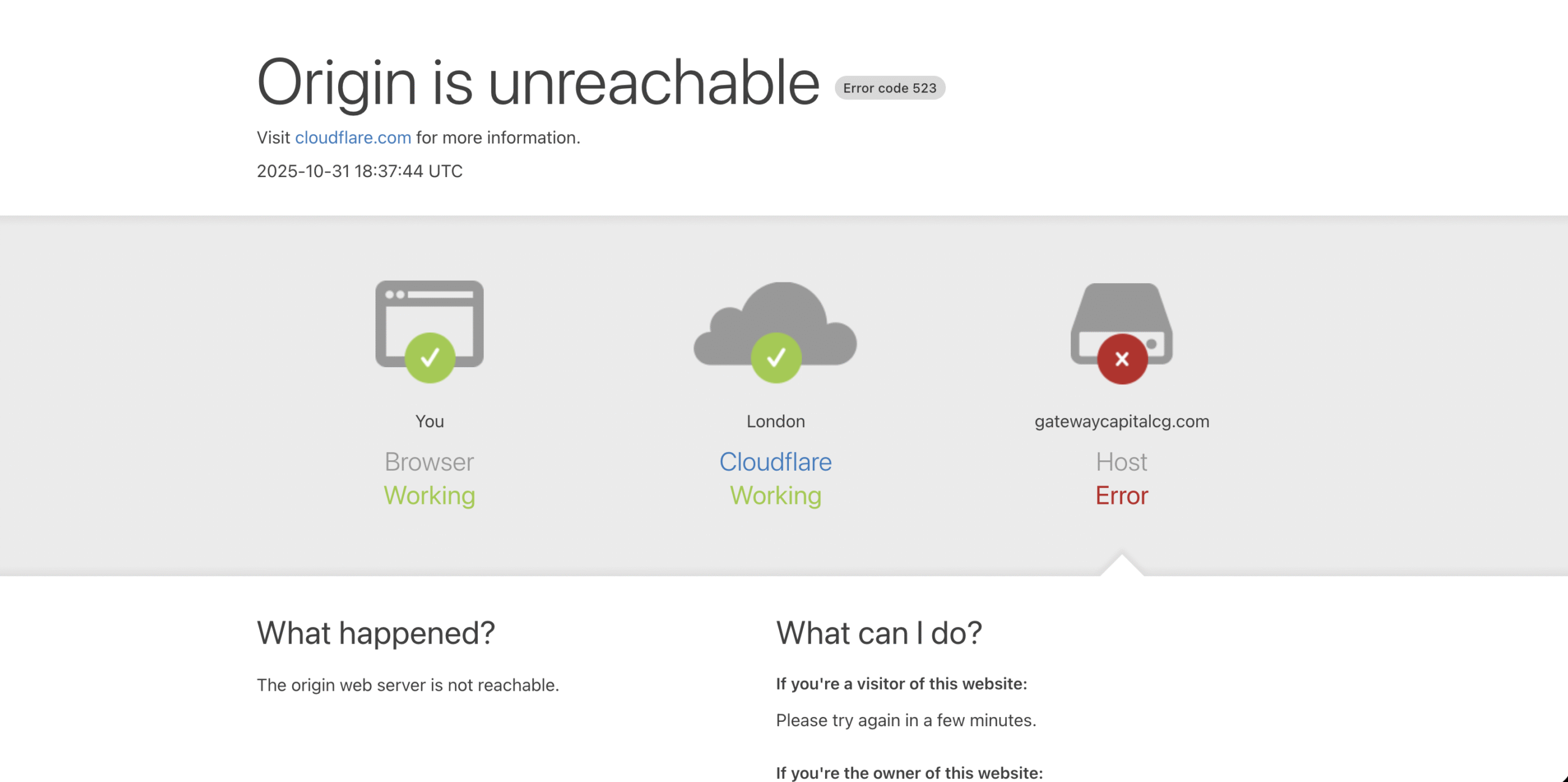
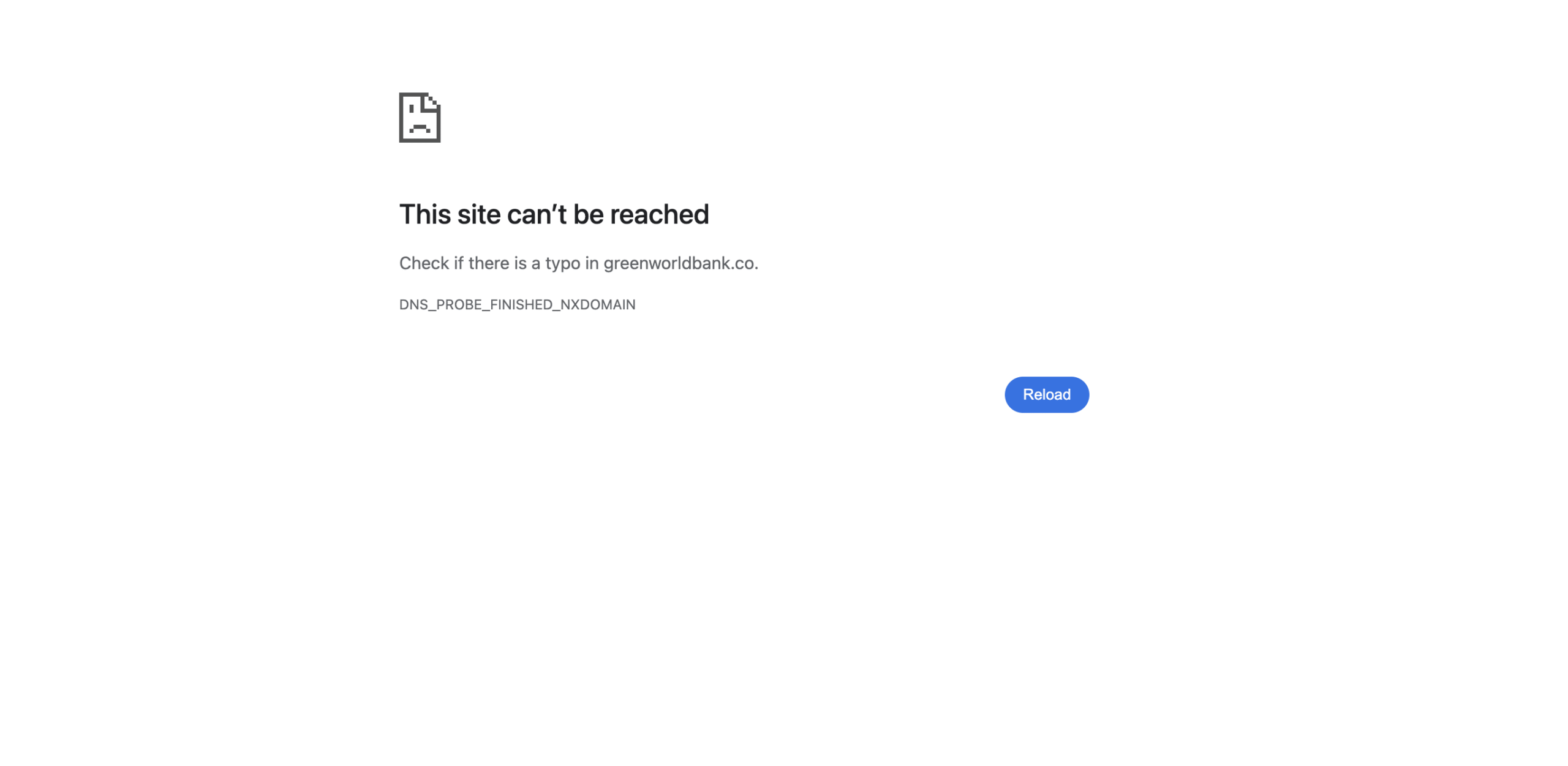
In the modern era of online investing, scammers are growing increasingly sophisticated. They design websites that look professional, promote enticing investment returns, and promise financial freedom. One platform that has recently drawn widespread suspicion is GreenWorldBank.co — a site that presents itself as a global financial institution focused on sustainable investment. Beneath the polished surface, however, lies a web of deception, fake claims, and manipulative tactics.
This detailed review exposes how GreenWorldBank.co operates, the warning signs that reveal its fraudulent nature, and why so many victims have been caught in its trap. If you’ve ever come across this platform or anything similar, this is an essential read.
GreenWorldBank.co presents itself as a progressive financial platform built around ethical banking, sustainable investment, and modern wealth solutions. The website projects confidence, global reach, and responsibility, borrowing the visual and linguistic cues of legitimate financial institutions. Yet beneath the branding lies a framework riddled with operational weaknesses that many investors overlook until capital is already locked inside the system.
This article dissects eleven critical failures embedded in the GreenWorldBank.co operation—failures that collectively undermine trust, security, and financial legitimacy.
The First Impression: A False Sense of Legitimacy
At first glance, GreenWorldBank.co looks convincing. The website features sleek design elements, buzzwords like “green finance,” “ethical investing,” and “sustainable profits.” It gives the illusion of a socially responsible bank offering modern investment opportunities tied to eco-friendly initiatives.
There are pages that mimic those of real financial institutions — a homepage filled with confident language, a supposed list of partners, and even fake testimonials. The platform claims to offer personalized investment management, crypto trading, and asset diversification plans designed for long-term growth. But when you look closer, the cracks begin to show.
The so-called “bank” provides no verifiable company registration details, no physical address that can be independently confirmed, and no evidence of any licensing from recognized financial regulators. These omissions alone are major red flags. Legitimate banks and investment firms operate under strict legal frameworks and display verifiable credentials on their websites.
How GreenWorldBank.co Draws in Its Victims
Scammers know that trust is everything. To build it, they use persuasive language, social-media ads, and even fake online reviews. Many victims report encountering the platform through ads on social networks or unsolicited messages from “investment advisors.” These agents introduce the site as an “exclusive opportunity” or a “new financial ecosystem” that combines sustainability with profit.
The typical process goes something like this:
-
The Approach: A potential investor is contacted or targeted through an ad that promotes sustainable investments or green banking.
-
The Hook: After visiting the website, users are urged to sign up for an account. The signup process is quick and painless — designed to lower skepticism.
-
The Deposit: Soon after, an assigned “advisor” reaches out, encouraging a small initial deposit — often as low as $100 — to “test the system.”
-
The Trust Trap: Some users report being allowed to withdraw a small profit after the first few trades, which gives the illusion that the system works.
-
The Upsell: Once trust is established, the “advisor” starts pushing for larger deposits. Victims are promised higher returns, exclusive plans, or limited-time bonuses.
-
The Collapse: When users try to withdraw larger amounts, excuses begin — verification issues, system maintenance, new regulations, or additional fees. Eventually, communication stops, accounts are frozen, and the victims lose access to their funds.
This sequence is one of the most common patterns among online investment scams. The brief early payout serves only to build confidence before the fraudsters escalate their deception.
1. Banking Language Without Banking Authority
GreenWorldBank.co repeatedly refers to itself using banking terminology, yet offers no proof that it operates as a licensed bank in any jurisdiction. There is no evidence of authorization from central banks, no banking charter, and no reference to compliance with national banking laws.
Using the word “bank” without regulatory backing is not a branding choice—it is a structural misrepresentation that exposes users to unprotected financial risk.
2. Regulatory Absence Disguised as Global Reach
The platform implies international operations, yet fails to appear in the registries of recognized financial regulators. No license numbers are provided, and no oversight authority is named in a verifiable way.
This absence allows GreenWorldBank.co to function outside enforceable standards, meaning investor protections such as fund segregation, dispute resolution, and audit requirements simply do not apply.
3. Corporate Structure That Cannot Be Traced
A legitimate financial institution clearly identifies its ownership, executives, and legal entity. GreenWorldBank.co does none of this. There are no named directors, no executive biographies, and no parent company disclosed.
This lack of traceability prevents investors from determining who actually controls deposited funds and removes any realistic path to accountability.
4. Sustainability Messaging Used as a Trust Shortcut
Environmental responsibility is central to the platform’s branding, yet there is no documentation supporting its sustainability claims. No audited ESG reports, no verified green projects, and no partnerships with recognized environmental organizations are disclosed.
Ethical language replaces measurable proof, encouraging users to trust the mission rather than verify the operation.
5. Performance Displays That Cannot Be Independently Verified
Users are shown account dashboards that reflect steady growth and consistent gains. However, these figures exist solely within the platform’s interface and are not connected to transparent market activity.
Without third-party verification, trade confirmations, or external pricing feeds, displayed performance serves as persuasion—not evidence.
6. Deposit Processes Designed for Speed, Not Safety
Opening an account and funding it requires minimal friction. This is intentional. The faster funds are deposited, the less time users have to question legitimacy.
In contrast, withdrawal procedures introduce delays, conditions, and escalating requirements—revealing a one-directional system optimized for intake rather than access.
7. Withdrawal Conditions That Continuously Change
Investors attempting to withdraw funds often encounter new barriers at each step. These may include:
-
Additional compliance fees
-
Tax or clearance payments
-
Mandatory account upgrades
-
Extended verification reviews
The shifting nature of these conditions prevents resolution while extracting further payments.
8. Advisor Roles With No Professional Accountability
GreenWorldBank.co assigns users personal advisors who guide deposit decisions and encourage increased exposure. These individuals are not linked to any licensing body and operate without public credentials.
Communication typically moves off-platform, reducing traceability and enabling pressure tactics that leave no formal record.
9. Customer Support That Deteriorates Under Scrutiny
Support responsiveness is strong during onboarding and deposit stages. Once concerns arise—particularly regarding withdrawals—responses slow, become generic, or cease entirely.
This behavior indicates that customer service functions as a conversion tool rather than a support mechanism.
10. Technical Infrastructure Built for Flexibility, Not Longevity
GreenWorldBank.co technical footprint shows characteristics common to short-term financial operations:
-
Recently registered domains
-
Privacy-shielded ownership records
-
Generic hosting environments
-
Reused design frameworks
These elements allow rapid deployment and easy abandonment if scrutiny increases.
11. Exit Capability Without Investor Recourse
Perhaps the most significant failure is structural: GreenWorldBank.co can disengage without consequence. With no disclosed jurisdiction, no regulated entity, and no accountable leadership, the platform retains the ability to:
-
Freeze accounts
-
Disable withdrawals
-
Shut down operations
-
Reappear under a different identity
This capability shifts all risk onto the investor while insulating the operators.
Accounts can be frozen, platforms can disappear, and users are left navigating the aftermath — often forced to explore options such as a formal scam recovery process after access to funds is lost.
A Pattern That Extends Beyond One Platform
GreenWorldBank.co mirrors a wider ecosystem of financial platforms built around thematic branding—green finance, AI trading, ethical investing—while sharing identical operational weaknesses. Names change, visuals change, but the underlying structure remains consistent.
Recognizing these failures early is essential, as the costs extend beyond financial loss into long-term trust erosion and personal data exposure.
What Investors Commonly Miss About GreenWorldBank.co
Many users focus on surface elements: design quality, persuasive language, early account performance. The real indicators of legitimacy lie deeper—in regulation, transparency, and enforceable accountability. When those foundations are missing, every other feature becomes cosmetic.
Why These Failures Matter
Each failure outlined above compounds the next. Together, they form an environment where capital flows inward easily but exits rarely, where trust is manufactured rather than earned, and where responsibility dissolves when challenged.
Understanding these high-impact failures is not about one platform alone—it is about recognizing a repeatable operational model that continues to surface across the online investment landscape.