Crowd-investing platforms promise something powerful: access. Access to startups. Access to early-stage growth. Access to opportunities that were once reserved for venture capital firms and accredited investors.
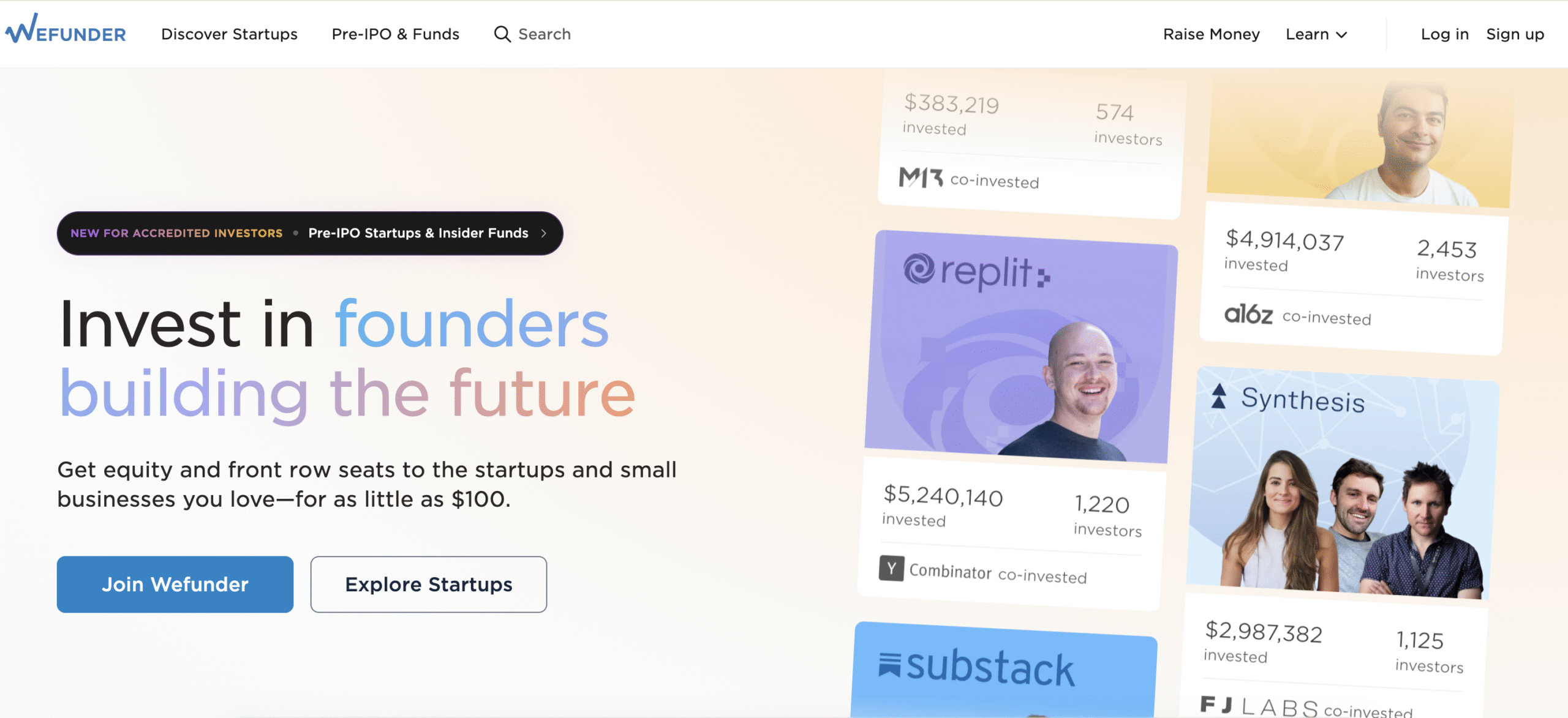
Wefunder.com sits at the center of that promise. It presents itself as a bridge between everyday investors and ambitious founders, offering equity stakes in startups that might one day become household names.
But accessibility does not equal safety — and participation does not guarantee protection.
This article does not argue that Wefunder.com is fake or illegal. Instead, it examines six structural realities that many investors only discover after their money is committed. These realities are rarely emphasized upfront, yet they carry real financial consequences.
Reality 1: Once You Invest, Control Mostly Ends
One of the most misunderstood aspects of equity crowdfunding is loss of agency.
After funds are committed through Wefunder, investors generally have no operational control over:
-
How founders deploy capital
-
Whether updates are frequent or minimal
-
Strategic pivots, restructures, or pauses
-
Internal governance decisions
Unlike public markets, there is no active trading, no exit button, and no leverage to force transparency.
Many investors assume they are “shareholders” in the traditional sense. In practice, they are often passive financial participants with limited rights and even fewer remedies.
This becomes costly when expectations of involvement don’t match reality.
Reality 2: Silence Is Not a Violation — It’s Often Allowed
A frequent source of frustration among Wefunder investors is communication breakdown. Campaigns are active, engaging, and responsive during fundraising — then go quiet afterward.
What many investors don’t realize:
-
Startups are not required to provide frequent updates
-
Delays in communication are often not breaches
-
Poor performance does not obligate explanation
A startup can struggle, pivot, or stall without violating platform rules.
This creates a psychological trap: investors feel abandoned, but the platform itself may not have grounds to intervene. Silence, while unsettling, is often structurally permitted.
Reality 3: Illiquidity Is Not a Phase — It’s the Default
Wefunder investments are illiquid by design.
There is no:
-
Secondary market
-
Guaranteed buyback
-
Predictable exit timeline
Investors may wait years — sometimes indefinitely — without any ability to recover capital, even partially.
This reality is often underestimated. Marketing focuses on upside scenarios, but the more common outcome in startup investing is:
-
No exit
-
No dividends
-
No liquidity event
In practical terms, money invested should be treated as financially unavailable for the long term.
Reality 4: Platform Legitimacy Does Not Equal Investment Quality
A critical misconception is equating platform legitimacy with deal quality.
Wefunder may operate legally and compliantly — but that does not mean:
-
Startups are vetted for long-term viability
-
Business models are resilient
-
Founders are experienced operators
-
Financial projections are realistic
The platform facilitates access; it does not underwrite success.
Many costly losses occur when investors mistake availability for endorsement.
Reality 5: Fees and Structures Are Easy to Misunderstand
Crowd-investing structures are complex. Depending on the campaign, investors may hold:
-
Direct equity
-
SAFEs
-
Convertible notes
-
Special purpose vehicles
Each carries different implications for:
-
Ownership dilution
-
Exit priority
-
Voting rights
-
Tax treatment
Add platform fees, transaction costs, and administrative layers, and many investors struggle to understand what they truly own.
Confusion itself becomes a cost — especially when expectations don’t align with outcomes.
Reality 6: Loss Is More Common Than Success
This is the hardest truth — and the most ignored.
Statistically:
-
Most startups fail
-
Many that survive never return investor capital
-
Only a small fraction deliver outsized returns
Wefunder does not change these fundamentals. It simply makes participation easier.
For some investors, that ease leads to overconfidence — allocating funds based on storytelling, passion, or optimism rather than disciplined risk assessment.
The cost is not just financial, but emotional: frustration, regret, and a lingering sense of having been misled, even when no formal wrongdoing occurred.
So Is Wefunder.com a Scam?
In legal and technical terms, Wefunder.com is a real platform operating within the equity crowdfunding ecosystem.
But many investors experience outcomes that feel indistinguishable from a bad deal:
-
Long-term capital lockup
-
No communication
-
No returns
-
No exit
The disconnect lies between expectation and structure — not necessarily fraud, but design realities that are easy to overlook.
Who Should Think Twice Before Using Wefunder
Wefunder may not be suitable for:
-
Investors needing liquidity
-
Anyone expecting regular updates or accountability
-
Those unfamiliar with startup failure rates
-
Individuals treating investments as savings
-
Investors uncomfortable with total loss scenarios
Who It Might Suit (With Caution)
It may be appropriate for:
-
Highly risk-tolerant investors
-
Those allocating a small speculative portion of capital
-
Individuals who understand startup economics deeply
-
Investors prepared for long timelines and zero returns
Even then, caution is essential.
Final Perspective
Wefunder.com sells access — not certainty.
The platform opens doors, but what lies behind those doors is unpredictable, opaque, and often unforgiving. The most costly mistakes occur when investors confuse participation with protection.
Understanding these six realities before investing doesn’t eliminate risk — but it does prevent surprise. And in investing, surprise is often the most expensive cost of all.
Report Wefunder.com Losses and Explore Recovery Options
If you believe you’ve lost money due to misleading investment practices, poor disclosure, or unresolved fund issues related to Wefunder.com, act promptly.
You can report your case to LOSTFUNDSRECOVERY.COM, a platform that helps investors assess recovery pathways and document potential financial harm.
Staying informed, questioning structures, and recognizing risk early are the strongest tools investors have.
Stay aware. Stay deliberate.
Internal Links
- Learn crucial protection strategies our – Scam Recovery Guide
- Evaluate platforms properly by reading on how to Verify Platforms
- What to Do After Being Scammed- Recovery Steps
- Read about the Most Common Online Scam Tactics here- Scam Tactics
- Secure your digital assets with the Crypto Safety Guide
- Spot dangerous websites using Fake Website Warning Signs