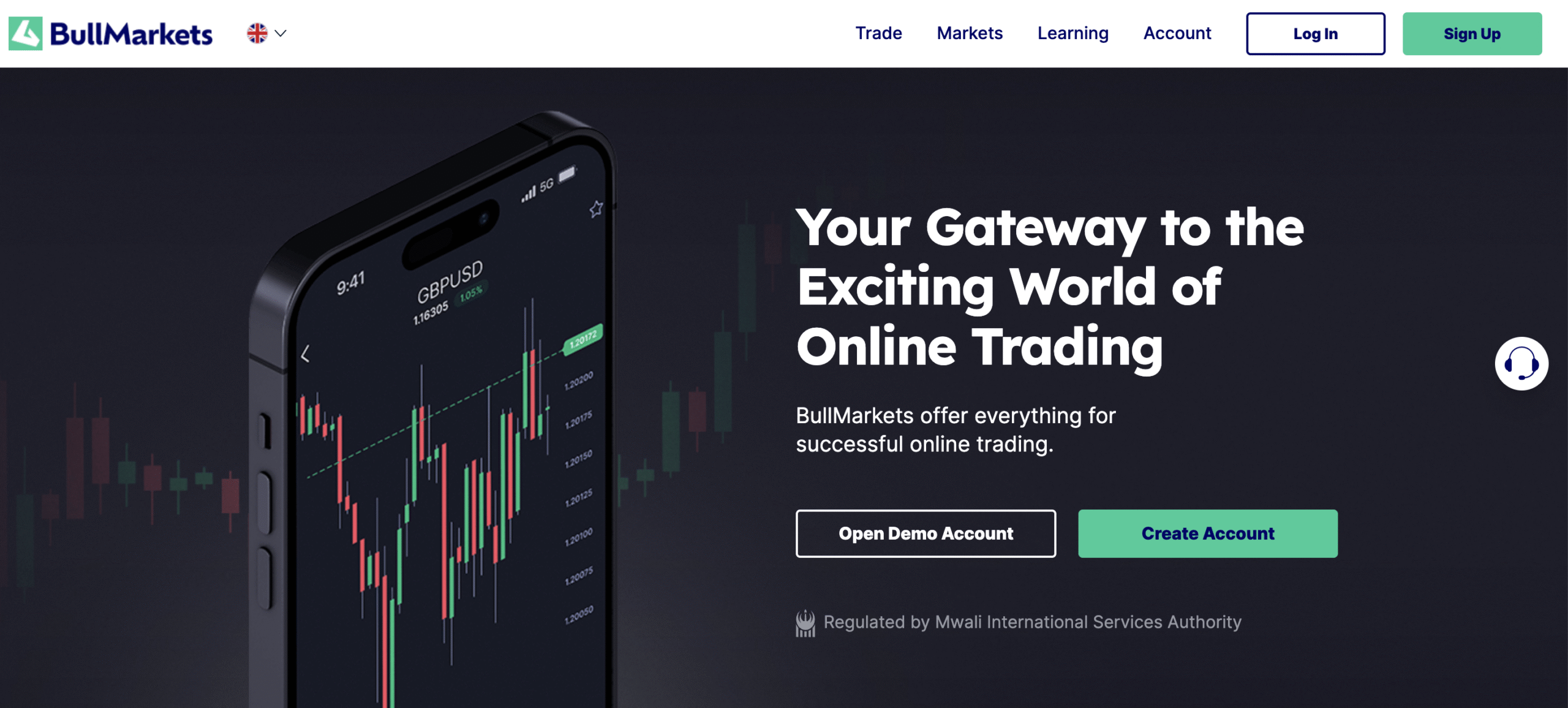
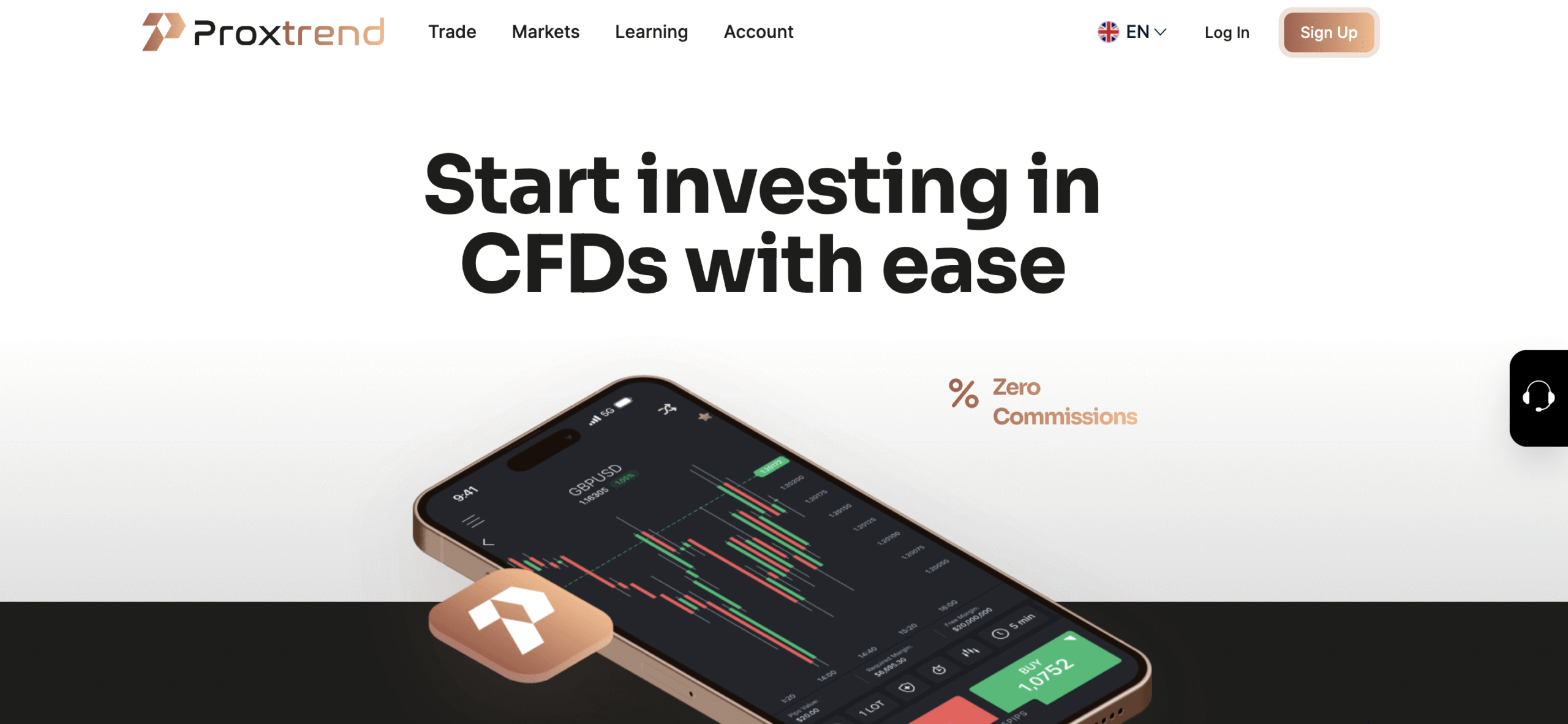
In the fast-growing world of online trading, thousands of new “brokers” appear every year promising incredible returns, professional guidance, and effortless profits. Some are legitimate, but many are sophisticated scams built to deceive. One of the latest and most concerning names circulating in trader circles is Proxtrend.com, a platform operating under the domain proxtrend.com.
While it markets itself as an innovative trading platform offering opportunities in forex, CFDs, and cryptocurrencies, mounting evidence suggests that Proxtrend.com is not what it claims to be. This blog takes an in-depth look at how this scam works, why so many people are falling for it, and what red flags you must watch out for.
1. What is Proxtrend.com?
Proxtrend.com presents itself as an online broker offering access to a wide range of financial markets—forex, commodities, cryptocurrencies, and indices. The website is sleek and professional, complete with glossy banners showing traders making money, testimonials, and claims of fast withdrawals.
On paper, the company says it’s operated by Proxtrend Ltd, supposedly based in the Comoros Islands. It boasts of being licensed under an obscure local regulator, which sounds official at first glance but has virtually no international recognition or investor protection framework.
At first, the platform gives off the impression of legitimacy. The homepage displays trading graphs, mentions “24/7 customer support,” and promotes modern tools for “smart investing.” However, when you dig deeper, it becomes clear that Proxtrend.com’s operations are built around deception, manipulation, and financial exploitation.
Growth in financial services is supposed to come from performance, reputation, and long-term trust. Brokers earn users by proving reliability over time, not by manufacturing momentum in weeks. Proxtrend.com grows by a different logic.
What looks like expansion—new users, rising deposits, constant outreach—is not driven by market success. It is driven by a closed system engineered around human behavior. Every interface choice, every phone call, every “trade” display feeds a loop designed to convert curiosity into commitment and commitment into captivity.
This article doesn’t catalog surface-level warnings. It dissects the operational machinery beneath Proxtrend.com: the behavioral design, the structural shortcuts, and the psychological levers that quietly power its rise.
Proxtrend.com does not grow by outperforming markets. It grows by outperforming skepticism.
The Architecture of a Funnel
Most legitimate brokers resemble open roads: you can enter, leave, pause, test, withdraw, and return. Proxtrend.com resembles a corridor. It allows forward movement easily, but exit becomes progressively obstructed.
This is not accidental. It is architecture.
At the top of the funnel sits a low-friction invitation—ads, direct messages, casual referrals. At the bottom waits a closed loop where every attempt to step back is reframed as another obligation. Between those two points lies a carefully staged experience that feels like investing but behaves like containment.
Understanding this structure is the key to understanding the platform’s “growth.”
Mechanic 1: The Low-Stakes Hook
The entry price is small by design. A few hundred dollars does not feel like a financial commitment; it feels like an experiment.
That distinction matters.
Psychologically, “testing” bypasses the defenses we normally apply to investments. We research less. We question less. We feel in control. The act of funding becomes casual rather than consequential.
Once money is inside the system, however, the frame shifts. The user is no longer evaluating a website. They are managing their account.
That single change transforms skepticism into attachment.
Mechanic 2: Simulated Momentum
Early activity feels rewarding. Trades appear to work. Balances rise. The interface suggests competence, even mastery.
But this momentum is self-contained.
There is no public ledger. No independent price feed. No verifiable execution trail. Everything a user sees is generated inside the same environment that controls the outcome.
It feels like market participation. Structurally, it is closer to a staged performance.
Real trading systems connect to exchanges. Fake systems emulate the idea of connection. The user does not trade markets—they navigate a narrative.
The narrative says: “You’re good at this.”
Mechanic 3: The Broker Persona
Every user is paired with a guide. The tone is warm. The availability is constant. The language blends financial jargon with personal interest.
This person does not behave like a portfolio manager. They behave like a relationship manager.
Their real function is not to analyze markets. It is to:
-
Interpret gains as skill
-
Reframe doubt as hesitation
-
Translate caution into “missed opportunity”
-
Normalize escalation
They celebrate wins. They empathize with losses. They position themselves as partners in growth.
Trust becomes interpersonal rather than institutional.
Once that happens, decisions feel emotional, not analytical.
Mechanic 4: Event-Driven Escalation
Larger deposits are rarely requested in the abstract. They are framed around “events”:
-
“Market openings”
-
“Volatility windows”
-
“Private signals”
-
“Account upgrades”
These are narrative devices. They compress time. They create urgency where none objectively exists.
Urgency short-circuits due diligence. When the story says now, the brain stops asking why.
Each event reframes restraint as risk.
Mechanic 5: The Invisible Wall
The platform’s true shape reveals itself only when the user tries to leave.
Withdrawal introduces new layers:
-
Verification thresholds
-
“Unlock” conditions
-
Prepayment requirements
-
Compliance holds
Each barrier reframes exit as a new task. The act of withdrawing becomes a process, not a right.
This inversion is crucial.
In legitimate systems, funding is conditional and withdrawal is automatic. Here, funding is frictionless and withdrawal is conditional.
The corridor narrows.
Mechanic 6: Platform as Theater
The interface mirrors real brokers:
| What Users Expect | What They Receive |
|---|---|
| Market connectivity | Closed internal data |
| Independent pricing | Platform-controlled values |
| Auditable execution | Opaque simulation |
| Regulated oversight | Offshore ambiguity |
The resemblance is visual, not structural.
Design replaces substance. Familiarity replaces verification.
It feels right because it looks right.
Mechanic 7: Disposable Infrastructure
There is no visible leadership. No public filings. No enduring corporate footprint.
This is not an omission. It is resilience.
Fresh domains, thin histories, and anonymous ownership allow the brand to be replaced when pressure builds. The mechanics survive even if the name disappears.
Growth is portable.
Mechanic 8: Emotion as Energy
The final engine is psychological:
-
Pride in early success
-
Fear of missing momentum
-
Loyalty to a guide
-
Embarrassment about doubt
These emotions sustain engagement even when logic falters.
By the time resistance appears, it feels personal.
A Human Timeline
Most users experience the same arc:
-
Curiosity – A low-risk invitation
-
Engagement – Friendly guidance
-
Affirmation – Early “wins”
-
Escalation – Event-based funding
-
Attachment – Identity as “investor”
-
Friction – First withdrawal attempt
-
Confusion – New conditions
-
Rationalization – “One more step”
-
Stall – Silence or delay
-
Realization – The corridor has no exit
At no point does the system say “stop.” It simply keeps reframing the next obstacle as progress.
The Illusion of Legitimacy
Proxtrend.com borrows the language of finance without inheriting its obligations. It speaks in spreads, leverage, and volatility while avoiding audit, transparency, and accountability.
Legitimacy in finance is not about vocabulary. It is about verifiability.
You can explore the structural differences in this breakdown of how real platforms are verified and compare them with the common patterns outlined in fake website warning signs.
The contrast is architectural, not cosmetic.
A Technical Note: Why “Trades” Feel Real
Fake trading environments borrow three elements from real systems:
-
Moving charts
-
Delayed confirmations
-
Fluctuating balances
These create cognitive friction. Users feel they are interacting with something complex and external.
What is missing:
-
Public order books
-
Exchange identifiers
-
Transaction hashes
-
Third-party reconciliation
Without these, the system is closed. It can display anything.
The user experiences activity, not participation.
Decision Matrix: When to Step Back
Before funding any platform, pause and evaluate:
| Question | Yes | No |
|---|---|---|
| Can the license be verified with a Tier-1 regulator? | ☐ | ☐ |
| Are executives publicly named and searchable? | ☐ | ☐ |
| Is there independent proof of trade execution? | ☐ | ☐ |
| Can you withdraw immediately after funding? | ☐ | ☐ |
| Are you free from time pressure? | ☐ | ☐ |
Two or more “No” answers indicate you are not entering a market—you are entering a funnel.
The Broader Pattern
Proxtrend.com is not anomalous. It follows a structure seen across modern broker fraud ecosystems:
-
Launch a polished interface
-
Deploy aggressive outreach
-
Simulate early success
-
Introduce emotional attachment
-
Restrict exit
-
Replace the brand
This model is documented by regulators. The U.S. Federal Trade Commission outlines how fabricated trading environments operate in its investor guidance on online trading fraud: FTC investor education.
The mechanics repeat because they work.
Why Growth Persists
Platforms like this thrive because they exploit a gap between appearance and architecture.
Most users judge legitimacy visually:
-
Professional design
-
Confident language
-
Responsive support
Real legitimacy is structural:
-
Regulatory accountability
-
Public auditability
-
Market connectivity
-
Withdrawal symmetry
When appearance substitutes for structure, growth becomes a product of perception rather than performance.
Closing Perspective
Proxtrend.com does not expand by mastering markets. It expands by mastering narrative.
Its growth loop is simple:
Invitation → Small deposit → Simulated success → Emotional trust → Escalation → Conditional exit
Every step feels rational. Every step is engineered.
Breaking the loop requires understanding that what feels like trading may be theater, and what feels like momentum may be containment.
In digital finance, skepticism is not pessimism. It is architecture-aware thinking.
And architecture always tells the truth—long before the interface does.