Introduction
In the rapidly growing world of cryptocurrency, scammers are continuously evolving — becoming more deceitful, more convincing, and more aggressive. Among the newer threats is CoinMarketCapp.com, a platform designed to impersonate the legitimate and widely trusted site CoinMarketCap.com. This clone exploits the reputation of the established brand to con victims into investing money or paying “fees” for services that do not exist. In this blog, we will provide a detailed breakdown of the CoinMarketCapp.com scam: how it works, the red flags, real victim stories, the risks involved, and guidance on how to protect yourself.
What Is CoinMarketCapp.com?
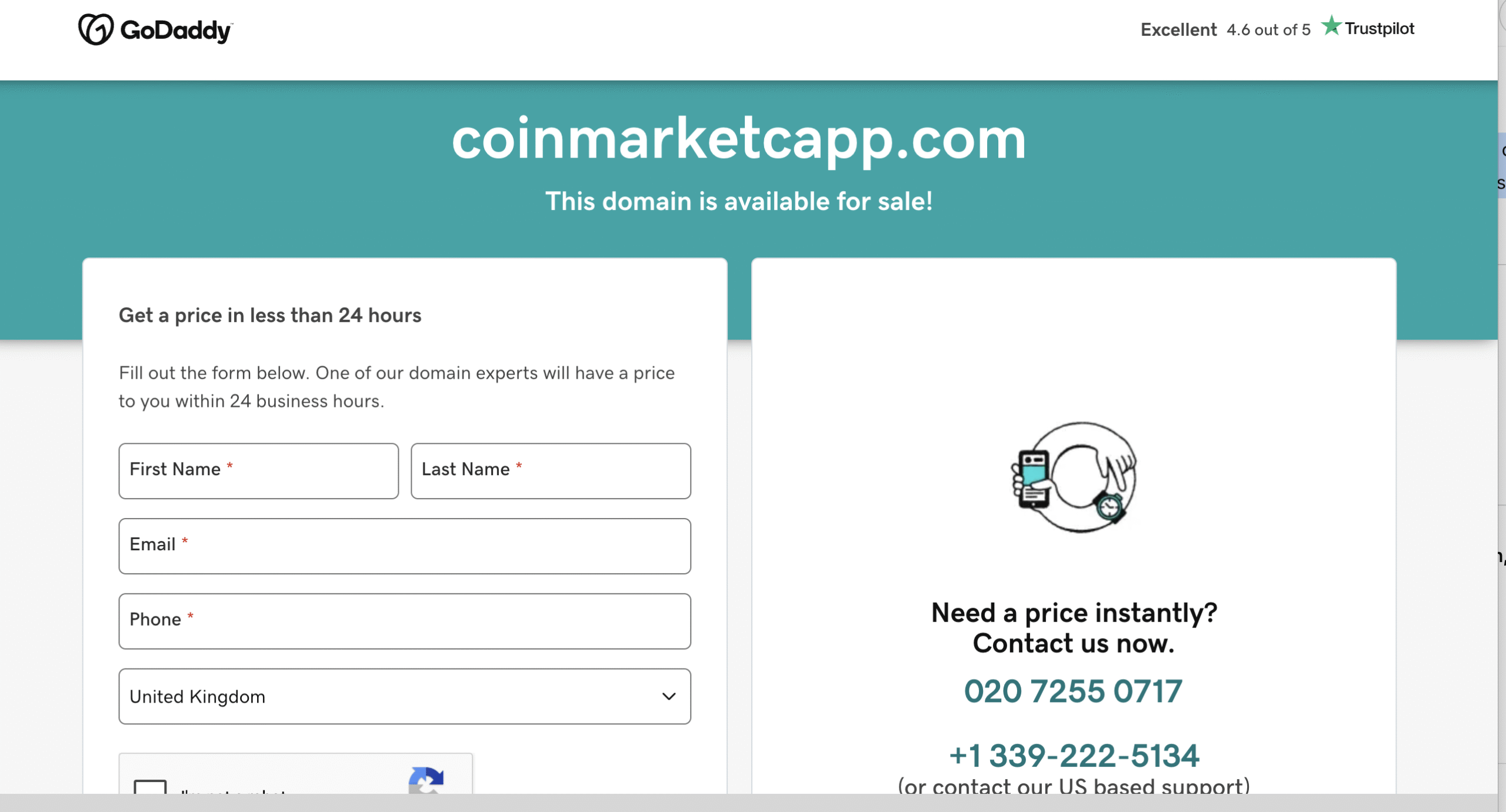
At first glance, CoinMarketCapp.com looks incredibly similar to CoinMarketCap.com, the real and widely respected cryptocurrency data portal. But don’t be fooled — these are not the same. CoinMarketCapp.com is a scam website.
Domain and Reputation Risk
-
Scam-advice sites rate CoinMarketCapp.com very low in terms of trust and security.
-
The domain is relatively new and has very limited visibility online, which is a red flag.
-
There is little to no verifiable information about who owns or operates the site.
These factors alone suggest that CoinMarketCapp.com is not a legitimate or trustworthy platform, especially when dealing with financial matters.
How the Scam Works
To understand how CoinMarketCapp.com defrauds people, we need to look at the specific tactics the scammers use. Below are common patterns based on reports from victims and scam investigations:
1. Impersonation of a Trusted Brand
-
The scam site’s name is deceptively similar to CoinMarketCap (just one extra ‘p’), which helps it appear legitimate.
-
Scammers copy CoinMarketCap’s branding, logos, and website structure to create a veneer of authenticity.
-
Because many users are familiar with CoinMarketCap and may not scrutinize small typos, they are more likely to be manipulated.
2. Fake “Profit” Balances
-
Victims are shown fake account balances, often in the tens or hundreds of thousands of dollars, supposedly “locked” or “pending.”
-
Users are pressured to pay a “release” or “unlock” fee to access these funds — a classic advance-fee scam.
3. Persistent Contact and Social Engineering
-
Scammers reach out via phone calls, WhatsApp, or other messaging apps, pretending to represent CoinMarketCap or their support staff.
-
They often know personal details such as name, email, and partial transaction history.
-
They use urgency and emotional pressure (“you must pay now to unlock your funds”) to push victims into sending money.
4. Phishing and Fake Apps
-
Victims may be asked to download a “CoinMarketCap app” that looks real but is a phishing tool.
-
These apps may request sensitive data such as passwords or wallet keys, tricking users into thinking they are connecting their real crypto wallet.
5. Hidden Exit Strategy
-
Once enough money has been collected, scammers may disappear or sever contact.
-
Victims realize too late that there is no real investment or platform — just a scam.
Real Victim Experiences
Here are some real testimonies and reports from victims:
-
Victims have been shown “locked” balances of millions of dollars and told a small fee is required to release them.
-
Many received calls claiming their account had significant crypto transactions, and the caller used personal details to appear legitimate.
-
Users who contacted CoinMarketCap discovered that the real platform does not handle transactions or hold user funds.
These accounts illustrate the scale and seriousness of the scam, showing that victims are being manipulated through a combination of psychological pressure and technical deception.
Why the Scam Is Effective
Several psychological and structural factors make the CoinMarketCapp scam especially dangerous:
-
Brand trust exploitation: CoinMarketCap is one of the most recognized names in crypto. By using a similar name, the scammers leverage that trust.
-
Urgency and FOMO: By showing massive “locked” balances, victims feel like they’re missing out and must act fast.
-
Technical sophistication: Fake websites and apps are convincing, making it harder for ordinary users to spot the fraud.
-
Social engineering: Scammers call people, impersonating “support,” and building trust.
-
Lack of regulation and recourse: Because these are criminal operations, there is usually no way to recover funds once they’re sent, especially if victims pay through untraceable means.
Warnings from Legitimate Parties
The real CoinMarketCap has clarified that they are not an exchange, wallet, or broker. They emphasize:
-
No deposits or withdrawals: CoinMarketCap is purely a data aggregation platform; it does not handle or store user funds.
-
No “unlock” or “account recovery” fees: Any request for payment to release money or recover an account is a scam.
-
How to verify legitimacy: Use official support channels and avoid downloading third-party apps that claim to be CoinMarketCap.
Technical Red Flags and Security Issues
Beyond the social engineering, there are concrete technical reasons why CoinMarketCapp.com raises alarm bells:
-
Low Trust Score: The site has a very low credibility rating.
-
Opaque Ownership: No clear indication of who owns or operates CoinMarketCapp.com.
-
Phishing and Malware Risk: Sites with limited reputational footprint often host phishing tools or malware.
-
SSL Certificate Is Not Enough: The site may have a valid SSL certificate, but this alone does not guarantee legitimacy.
-
Suspicious Domain Age & Infrastructure: The domain has only been active for a few years and has very limited visibility, indicating it’s not a well-established web property.
The Broader Context: Why Such Scams Thrive
To understand why CoinMarketCapp-type scams are proliferating, we need to look at the broader crypto-scam ecosystem:
-
Rapid Crypto Adoption: Many new users are not technically savvy and can easily be deceived.
-
Brand Impersonation: Trusted names like CoinMarketCap are ideal for criminals to impersonate because they carry instant credibility.
-
Advanced Social Engineering: Scammers call, chat, and mimic support teams.
-
Unregulated Environment: Many crypto-related operations exist in regulatory gray zones, making it easier for scammers to disappear without consequences.
How to Protect Yourself from This Scam
Given how convincing and insidious CoinMarketCapp.com scams are, here is a detailed set of strategies to protect yourself and others:
-
Verify the URL
-
Always double-check domain names. A single mis‑spelling (like extra “p” in “Capp”) could mean danger.
-
Bookmark trusted sites like the real CoinMarketCap — don’t rely on links from unknown sources.
-
-
Be Skeptical of Unexpected Calls / Messages
-
Legitimate financial or data companies rarely cold-call asking for “fees to unlock accounts.”
-
Be cautious if someone claims to be “support” and asks for money or personal credentials.
-
-
Do Not Use Third-Party “Apps” Unless Verified
-
Avoid downloading apps claiming to belong to popular brands if you’re unsure.
-
Use only official apps from verified sources with strong reviews and developer verification.
-
-
Never Pay to Release “Locked Funds”
-
Real platforms like CoinMarketCap do not hold user assets.
-
Any request for a release fee is a red flag. Do not send money based on a promise to unlock fake balances.
-
-
Use Security Tools
-
Use web-reputation tools to check the trustworthiness of unfamiliar sites.
-
Keep antivirus and anti-phishing tools up to date.
-
-
Educate Family and Friends
-
Share what you know about these scams with people in your network. Many victims are first-time crypto users.
-
Conclusion: Why This Matters
The CoinMarketCapp.com scam is an especially malicious example of brand impersonation in the crypto world, combining social engineering, technical deception, and psychological manipulation to trick victims out of real money. While the promise of huge “locked” balances may seem tempting, it’s critical to remember:
-
The real CoinMarketCap does not hold user funds — it’s a data aggregator, not a broker or exchange.
-
Scammers behind CoinMarketCapp.com are criminally exploiting name confusion, urgency, and trust.
-
The best defense is vigilance: verify URLs, question unsolicited calls, and never pay to “unlock” funds.
If you or someone you know has been contacted by a platform claiming to be CoinMarketCap (or something very similar), treat it with suspicion and follow the safety steps above. Reporting the scam can help prevent further victimization, and educating others is one of the most powerful tools against these attacks.
Final Thought
Cryptocurrency offers enormous opportunity — but with that comes significant risk. Scams like CoinMarketCapp.com exploit both technical vulnerabilities and human trust. By staying informed, cautious, and proactive, we can protect ourselves and our communities from these increasingly sophisticated attacks. Always remember: if something sounds too good to be true, it probably is.
Report CoinMarketCapp.com Scam and Recover Your Funds
If you have lost money to CoinMarketCapp.com, it’s important to take action immediately. Report the scam to LOSTFUNDSRECOBERY.COM, a trusted platform that assists victims in recovering their stolen funds. The sooner you act, the better your chances of reclaiming your money and holding these fraudsters accountable.
Scam brokers like CoinMarketCapp.com continue to target unsuspecting investors. Stay informed, avoid unregulated platforms, and report scams to protect yourself and others from financial fraud. Read More reviews at Scams2Avoid